

Every September, millions of people pause to think about one organ that never stops working for them the heart. World Heart Day is more than a date on the calendar; it’s a global nudge to check in on your cardiovascular health before small warning signs turn into serious problems.
Whether you’re a student, a teacher, a healthcare worker, or someone simply looking for heartfelt World Heart Day wishes to share with family, this guide covers everything you need: the history, the 2026 theme, practical health tips, classroom activities, quotes, and answers to the most common questions people search for.
Wishes Generator Tool.
Random Wishes Generator
Generate a beautiful random wish to share with someone special.
What is World Heart Day?
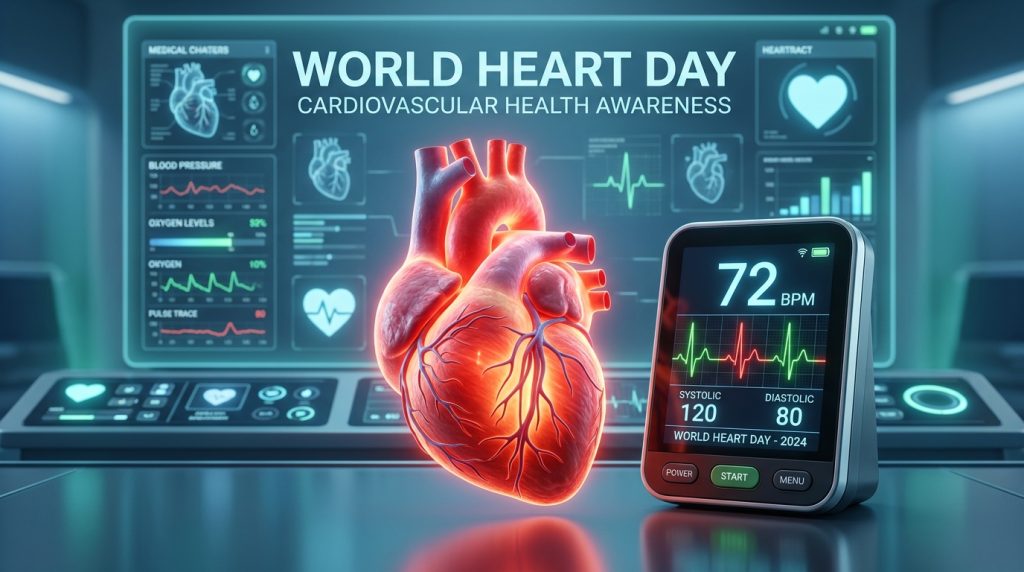
World Heart Day is an international awareness campaign dedicated to educating people about cardiovascular disease (CVD) the world’s leading cause of death. It’s observed every year on September 29, uniting governments, hospitals, schools, and communities under one mission: reduce heart disease and stroke through prevention, early detection, and better access to care.
The day is led by the World Heart Federation (WHF), often in partnership with the World Health Organization (WHO), and it brings together over 90 countries through walks, free screenings, school programs, and social media campaigns encouraging people to “use their heart” for themselves and for others.
The Brief History of World Heart Day
World Heart Day was first launched in the year 2000 as a joint initiative between the World Heart Federation and the World Health Organization. The goal was simple but ambitious: create a single, unified global platform to fight the growing burden of cardiovascular disease.
Here’s how the day has evolved over the years:
| Year | Milestone |
| 2000 | World Heart Day officially launched by WHF and WHO |
| 2011 | Became a fixed annual event held every September 29 |
| 2020 | The #UseHeart initiative introduced, calling for personal and collective action |
| 2024–2026 | Campaign theme “Use Heart for Action” focuses on moving beyond awareness to real-world change |
Since its inception, the initiative has grown from a handful of pilot campaigns into one of the most widely recognized health observance days on the global calendar.
What are the Other Names of World Heart Day
World Heart Day is sometimes referred to by slightly different names depending on the region or context, including:
- Global Heart Day
- World Cardiovascular Health Day
- Heart Health Awareness Day
- International Heart Day
While the terminology may vary, the underlying message stays the same protect your heart, protect your life.
Why Is World Heart Day 2026-27 Celebrated?

World Heart Day is celebrated to remind the world that cardiovascular disease is largely preventable, yet it continues to be the number one cause of death globally. The day exists to:
- Spread awareness about risk factors like high blood pressure, poor diet, and inactivity
- Encourage early screening and diagnosis
- Promote heart-healthy lifestyle habits across all age groups
- Push governments and policymakers toward better healthcare access
- Unite communities through walks, fitness drives, and educational events
In short, it’s a call to action not just a day of awareness, but a day to actually do something for your heart.
What is the Theme of World Heart Day 2026-27?
The official theme for the 2024–2026 World Heart Federation campaign is “Use Heart for Action.” This theme encourages individuals, healthcare professionals, and world leaders to move past simply discussing heart disease and instead take concrete, measurable steps from adopting healthier habits personally to advocating for stronger cardiovascular policies at a national level.
It’s a shift from knowing to doing, reminding everyone that small, consistent actions add up to meaningful heart health outcomes.
World Heart Day: Why This Heart Health Awareness Matters
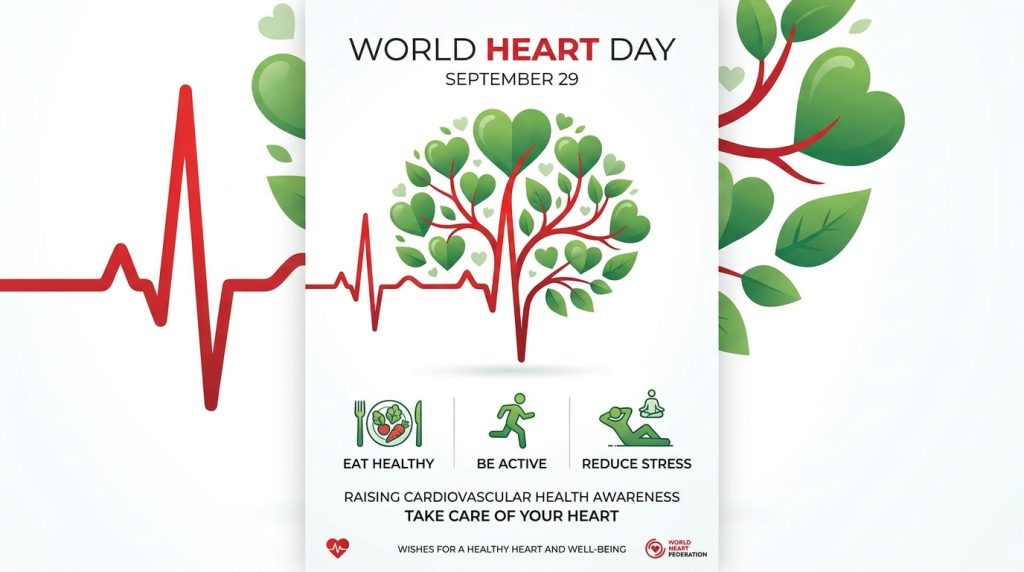
Cardiovascular disease doesn’t discriminate by age, income, or geography and the statistics behind it are hard to ignore.
CVD causes over 17 million deaths yearly
Cardiovascular disease remains the leading cause of death worldwide, with global estimates ranging from roughly 17 million to over 20 million lives lost every year. That accounts for close to one in three deaths globally, making it more fatal than most cancers combined.
Up to 80% of premature CVD fatalities are preventable
Perhaps the most hopeful statistic in heart health: research shows that up to 80% of premature heart disease and stroke deaths are linked to modifiable risk factors such as smoking, poor diet, physical inactivity, and unmanaged blood pressure. This is exactly why awareness days like this one matter prevention truly works.
Include a heart-healthy diet
A heart-friendly plate typically includes:
- Whole grains, fruits, and vegetables
- Lean proteins like fish, legumes, and poultry
- Healthy fats from nuts, seeds, and olive oil
- Reduced intake of salt, sugar, and processed foods
Physical activity is a need of the hour
Just 30 minutes of moderate exercise most days brisk walking, cycling, or swimming can significantly lower the risk of heart disease and improve circulation, blood pressure, and cholesterol levels.
Refrain from smoking & limit alcohol
Tobacco use is one of the biggest contributors to heart attacks and strokes. Cutting down or quitting smoking, along with moderating alcohol intake, dramatically reduces long-term cardiovascular risk.
Manage stress, sleep & other health conditions
Chronic stress, poor sleep, diabetes, and untreated high blood pressure all place extra strain on the heart. Regular checkups and stress-management techniques like meditation or light yoga go a long way in protecting long-term heart function.
World Heart Day Activities For Students
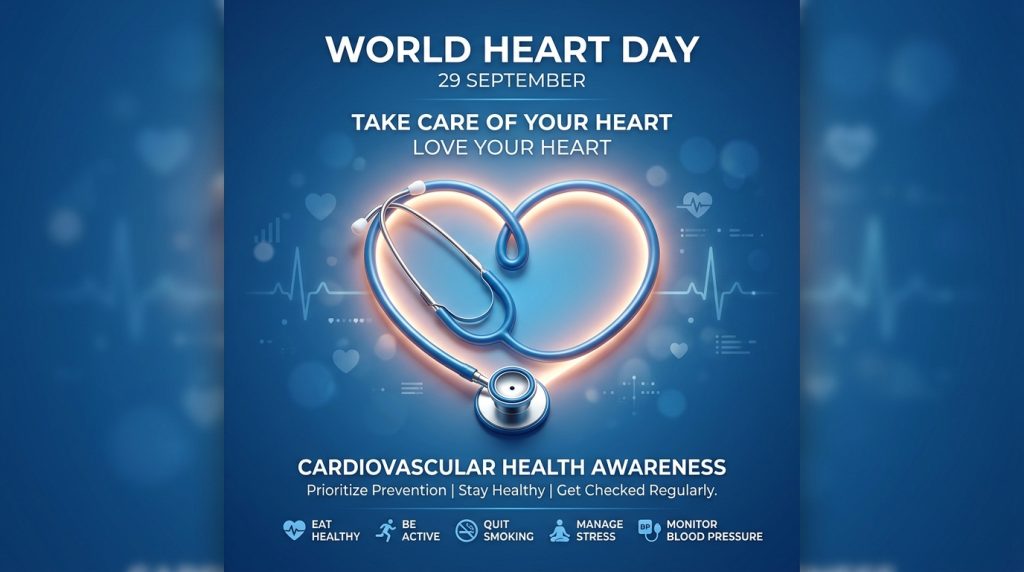
Schools play a huge role in shaping lifelong heart-healthy habits. Here are practical, classroom-friendly activities for World Heart Day:
Educational Sessions on Regular Health Checkups
Invite a local doctor or nurse to talk to students about why routine checkups matter, even when they feel perfectly healthy.
Annual Cardiac Screening Awareness (ECG & lipid profiles)
Introduce students to basic tests like ECGs and lipid profiles so they understand how doctors detect heart issues early, well before symptoms appear.
Preventive Care Focus for High-Risk Groups
Teach students to recognize risk factors in family members such as diabetes, obesity, or a family history of heart disease and the importance of early preventive care.
Interactive Fitness Games
Organize short relay races, jump-rope challenges, or dance breaks that get students moving and demonstrate how fun physical activity can be.
Healthy Eating Workshops
Host a “build your own healthy plate” session where students learn to identify heart-friendly foods versus high-sodium, high-sugar options.
World Heart Day Quotes

Looking for short, shareable World Heart Day wishes and quotes? Here are a few original lines you can use for posters, social media, or greeting cards:
- “A healthy heart beats for a longer, happier life take care of yours today.”
- “Every heartbeat is a gift. Protect it with love, movement, and mindful choices.”
- “This World Heart Day, choose action over awareness your heart will thank you.”
- “Small steps, strong heart walk a little more, worry a little less.”
- “Care for your heart the way it cares for you every single second.”
How to Participate in World Heart Day 2026-27
You don’t need a medical background to get involved. Here’s how individuals and communities typically participate:
- Get moving join or organize a local walk, run, or cycling event
- Get screened book a basic blood pressure or cholesterol check
- Spread the word share heart-health facts and wishes on social media using campaign hashtags
- Host an event organize a school seminar, office wellness talk, or community health camp
- Support policy encourage local health initiatives that improve access to cardiovascular care
Heart Palpitations: Causes, Symptoms, Diagnosis & Treatment
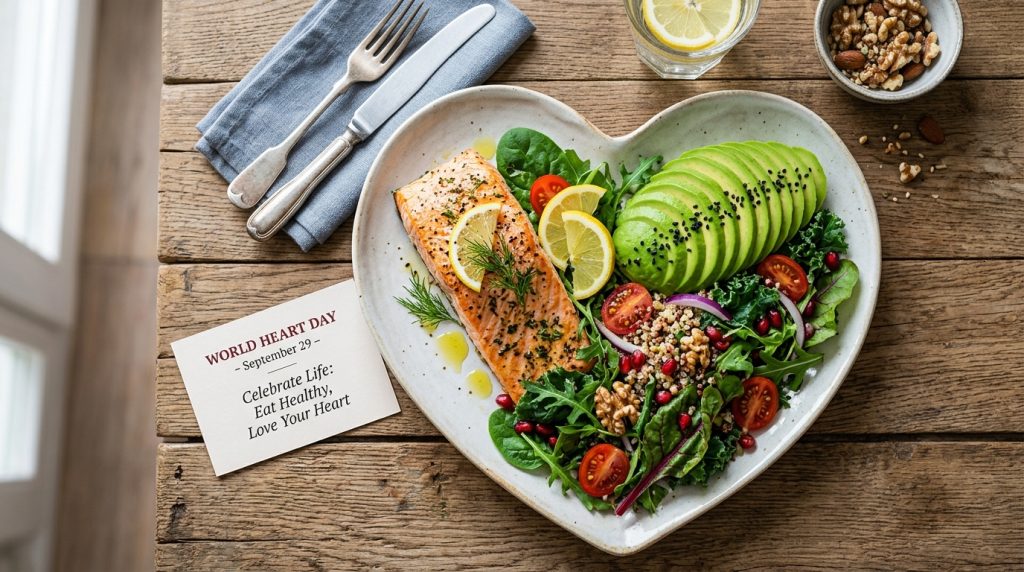
Heart palpitations are a common concern people bring up around World Heart Day, and understanding them can ease unnecessary worry.
Common causes include stress, caffeine, dehydration, intense exercise, hormonal changes, and underlying conditions like arrhythmia or thyroid issues.
Typical symptoms involve a fluttering, pounding, or skipped-beat sensation in the chest, sometimes accompanied by mild dizziness or shortness of breath.
Diagnosis usually starts with a physical exam, followed by an ECG, Holter monitor, or blood tests to rule out thyroid or electrolyte imbalances.
Treatment depends on the cause lifestyle changes (reducing caffeine, managing stress, staying hydrated) resolve most mild cases, while persistent or severe palpitations may require medication or further cardiac evaluation. If palpitations occur with chest pain, fainting, or breathlessness, seek medical attention immediately.
Final Thoughts
World Heart Day is a timely reminder that heart disease, while serious, is largely preventable through awareness, timely screening, and everyday healthy choices. Whether you’re sharing World Heart Day wishes with loved ones, organizing a school activity, or simply committing to a 30-minute walk, every small action contributes to a bigger global movement toward better cardiovascular health.
This September 29, take a moment to check in on your heart and encourage someone you care about to do the same.
Frequently Asked Questions
What is the theme for World Heart Day in 2026?
The 2024–2026 campaign theme is “Use Heart for Action,” encouraging real, practical steps toward better cardiovascular health rather than awareness alone.
When is Heart Day 2026?
World Heart Day 2026 is observed on September 29, 2026, in line with its fixed annual date.
What day is Heart Health Awareness Day?
Heart Health Awareness Day is another name commonly used for World Heart Day, observed every year on September 29.
When is Heart Health Awareness Month in 2026?
Heart Health Awareness Month is typically observed in February, focused on broader cardiovascular education throughout the month.
What drink calms the heart?
Warm herbal teas like chamomile or hibiscus tea are often recommended, as they may help lower stress hormones and support healthy blood pressure levels.

Ayla Eman is the author at WishliySpark, sharing heartfelt blessings, prayers, wishes, and inspirational quotes to spread joy and positivity.